
Explore Palacio de Las Dueñas, Seville’s Noble Residence
This website offers official tickets for this venue. Please note, however, that it is not the official website of the venue.

Smartphone tickets

Priority Access Available

Instant confirmation

Flexible cancellation
Smartphone tickets
Why wait?
Instant confirmation
Flexible cancellation
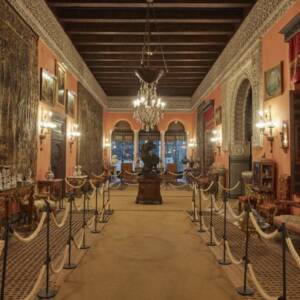
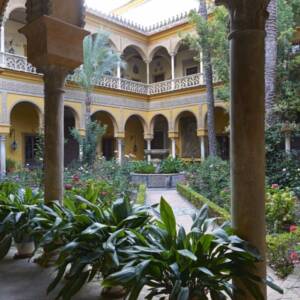
Visit the Palacio de las Dueñas with audio guide and without queues!
Highlights
Explore one of Seville’s most notable palaces dating back to the 15th and 16th centuries.
Learn about its architectural blend of Mudejar and Renaissance styles.
Hear stories about famous families and notable residents.
Enjoy a live guided experience in Spanish.
Small group setting with a maximum of 30 people.
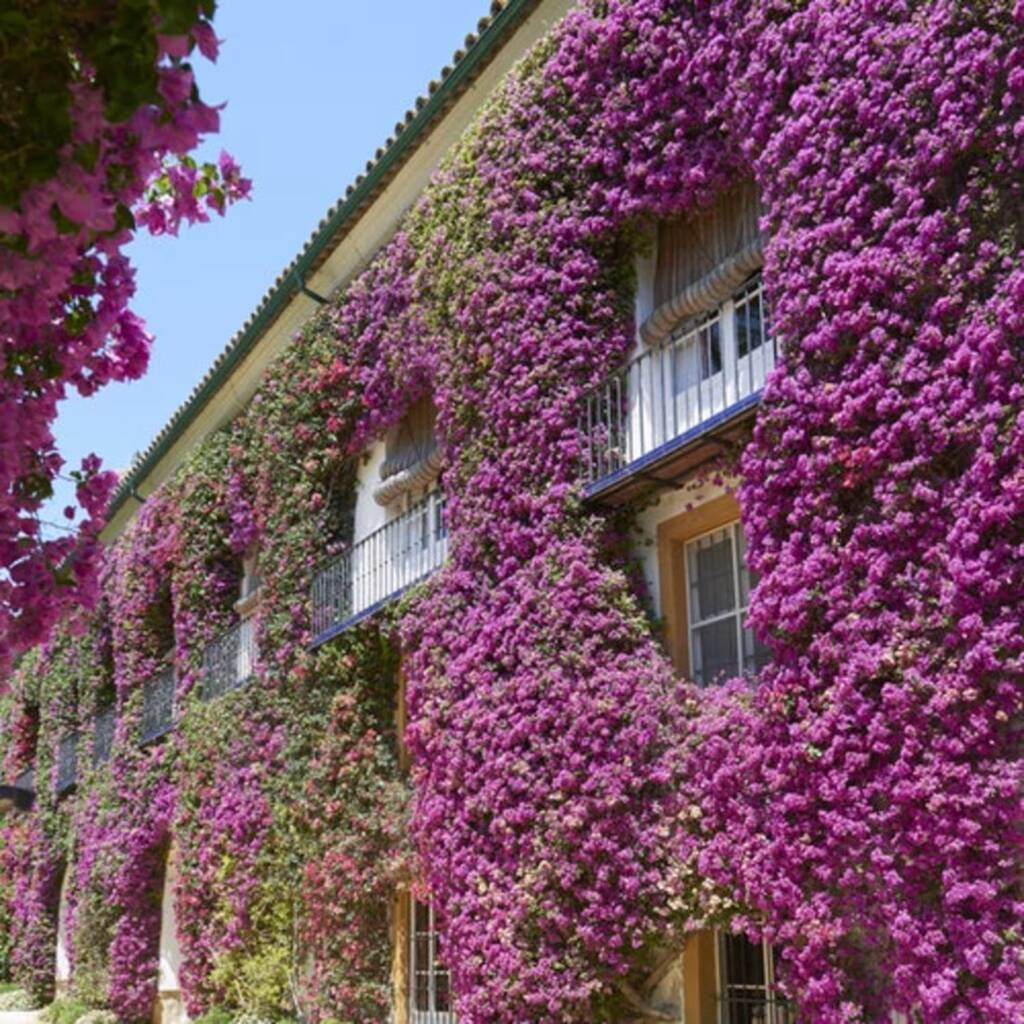
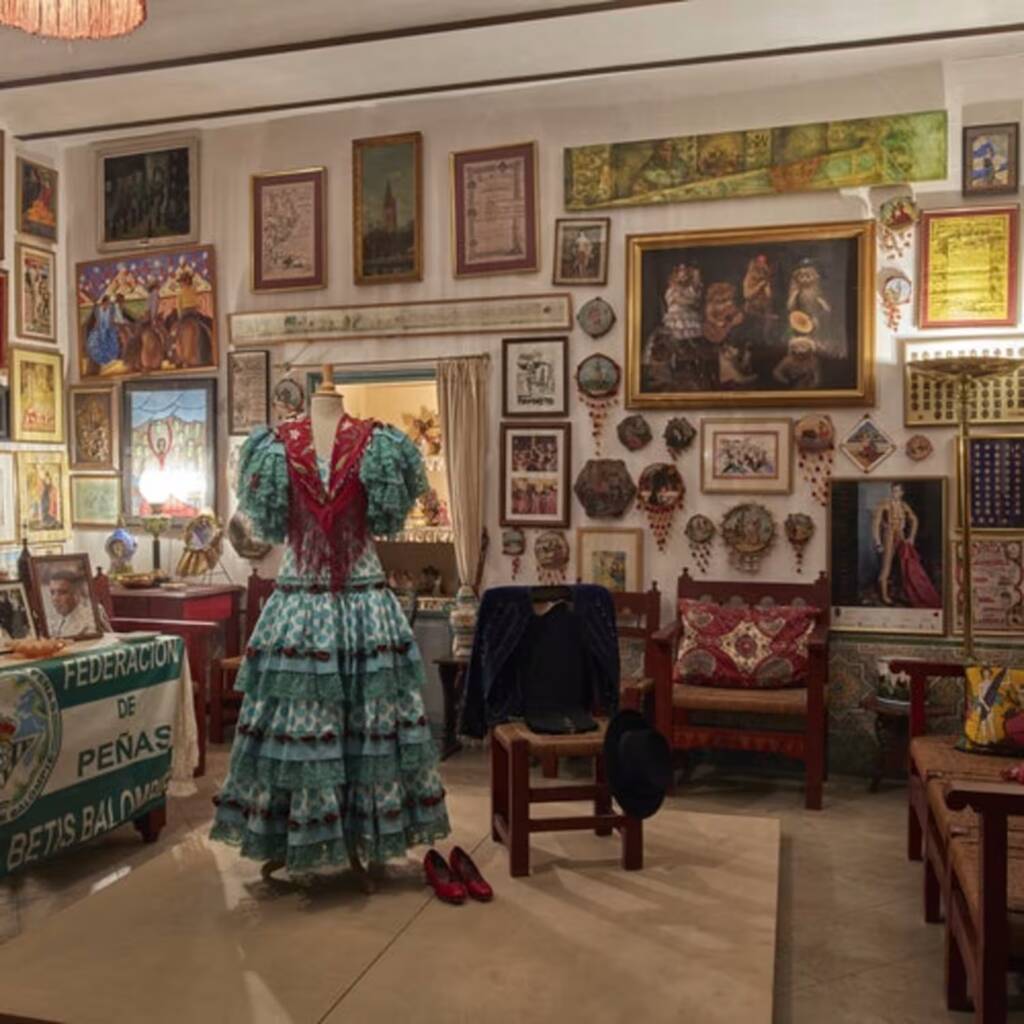
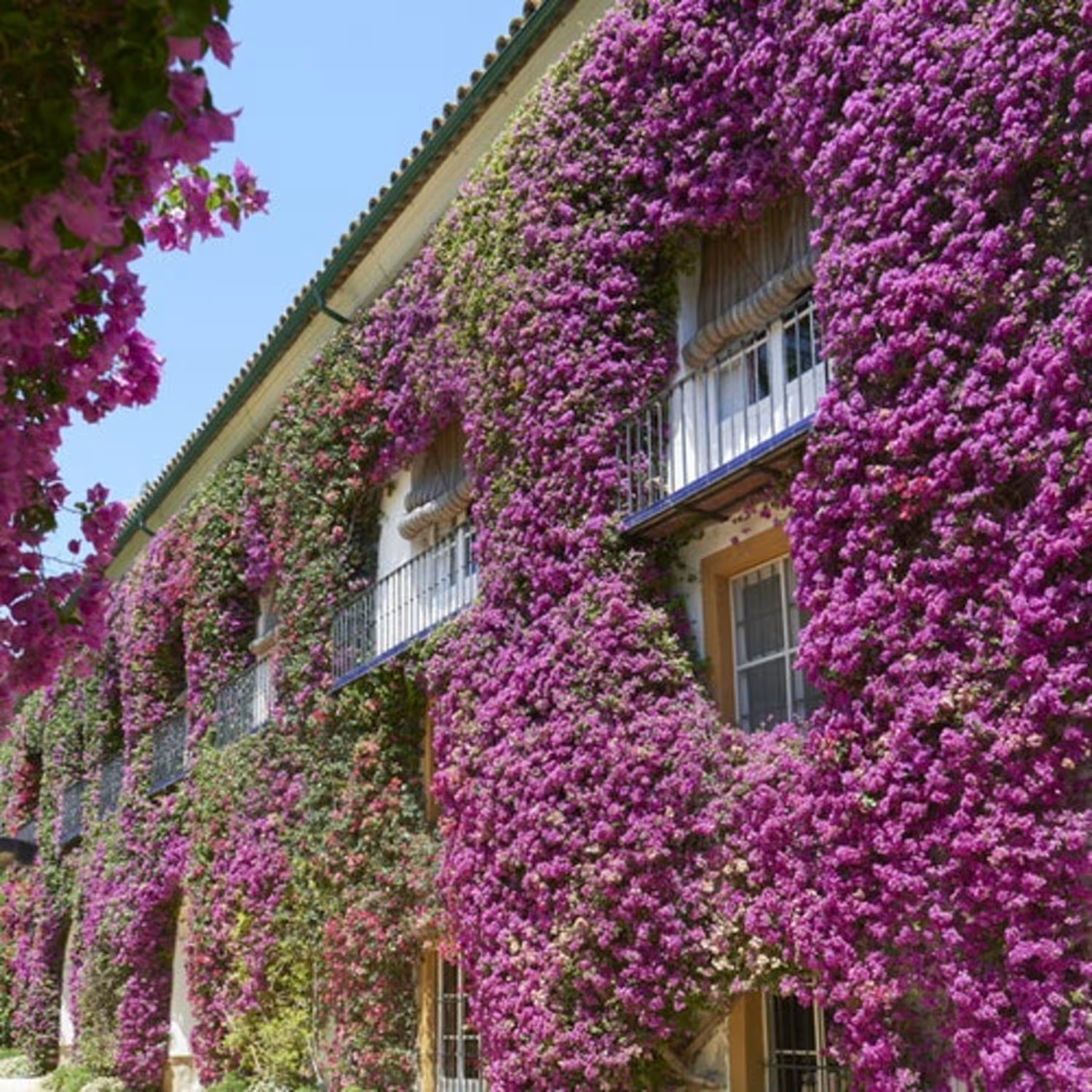
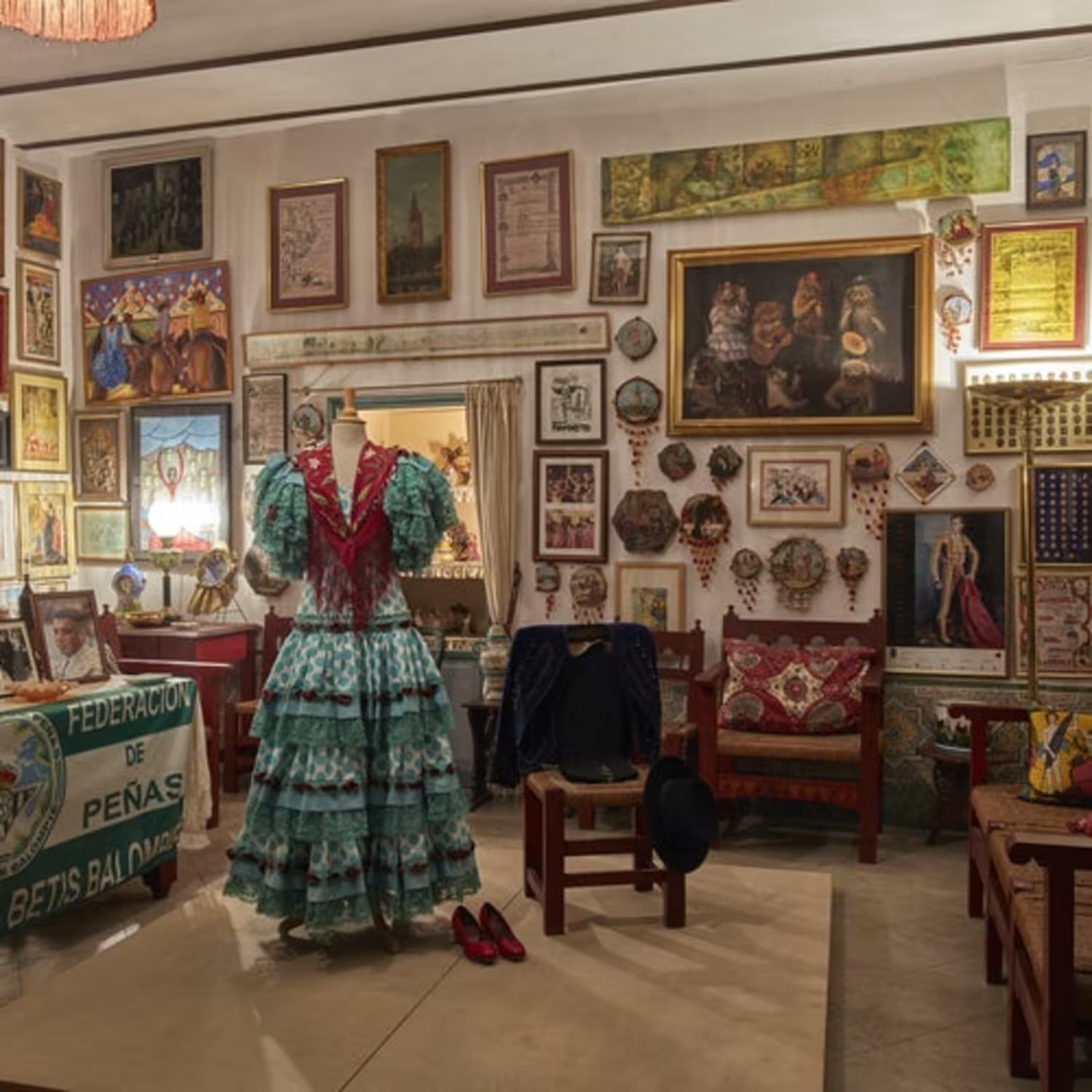
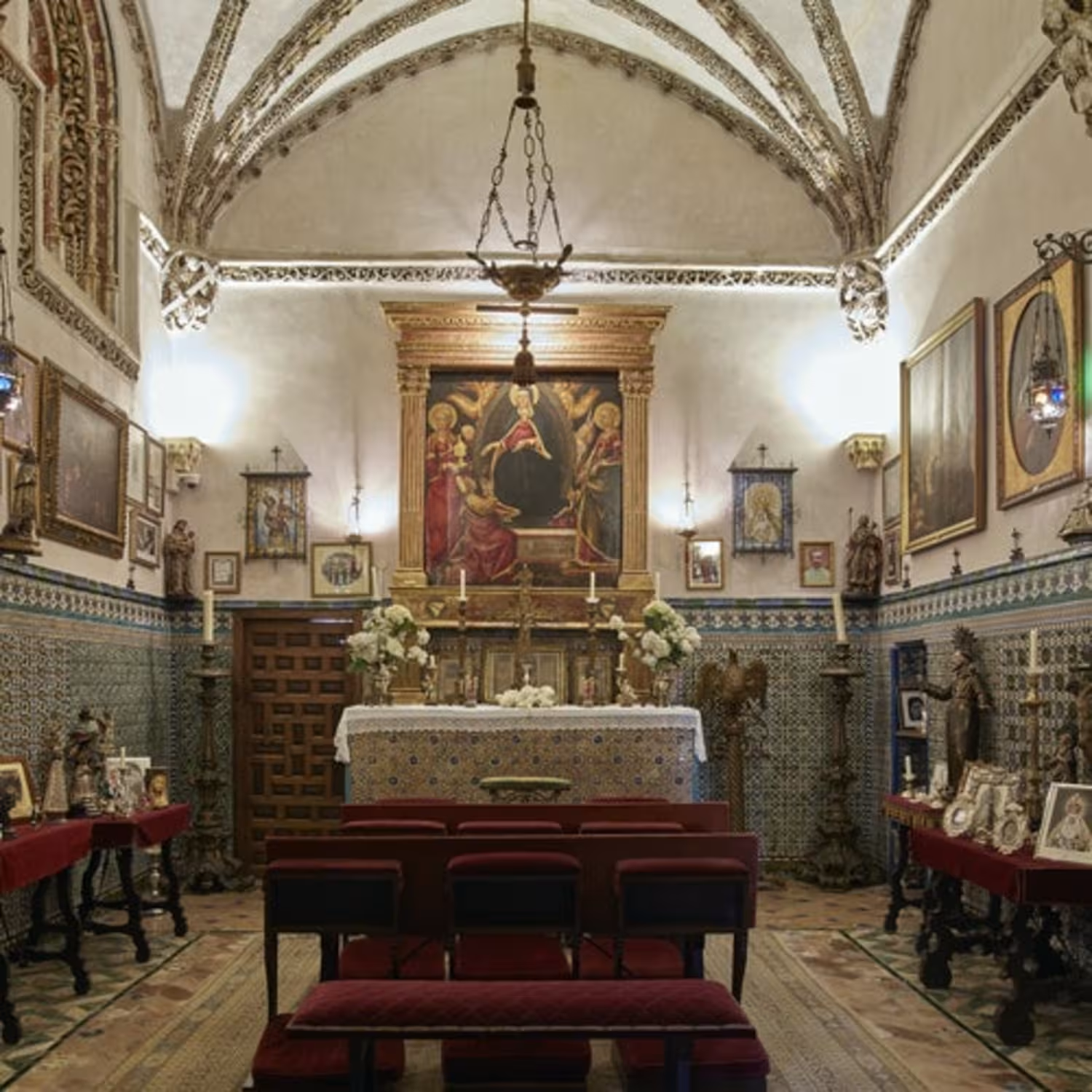
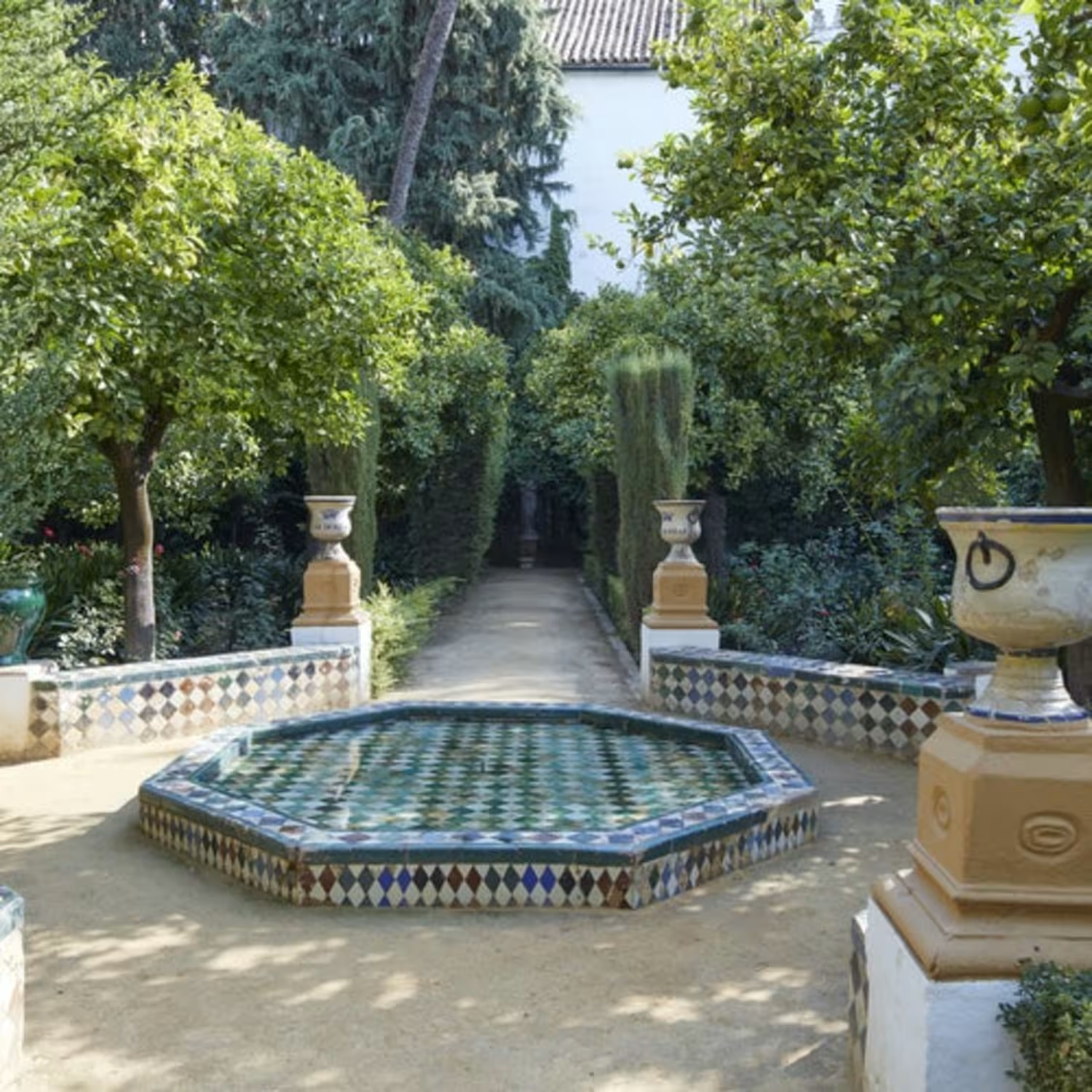
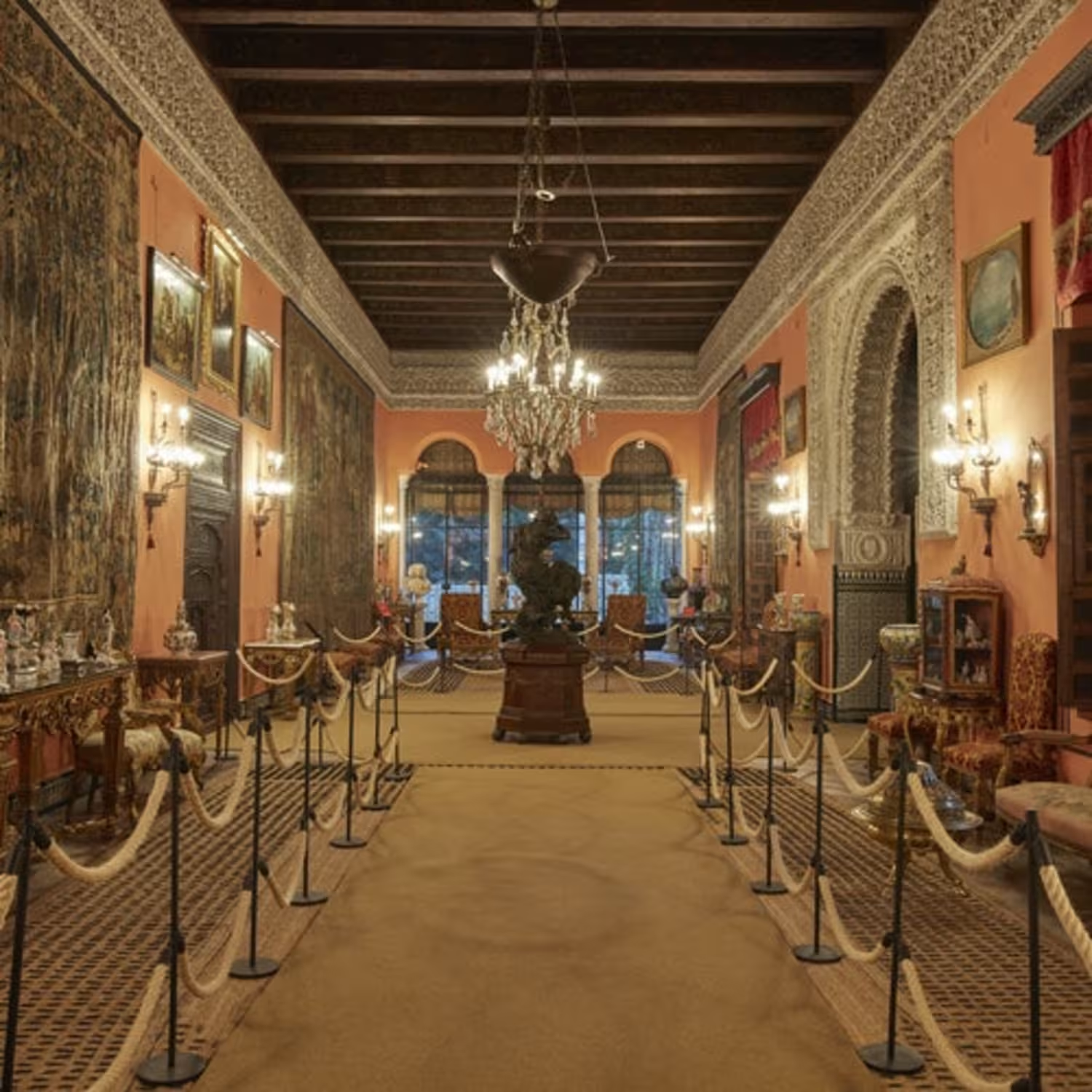
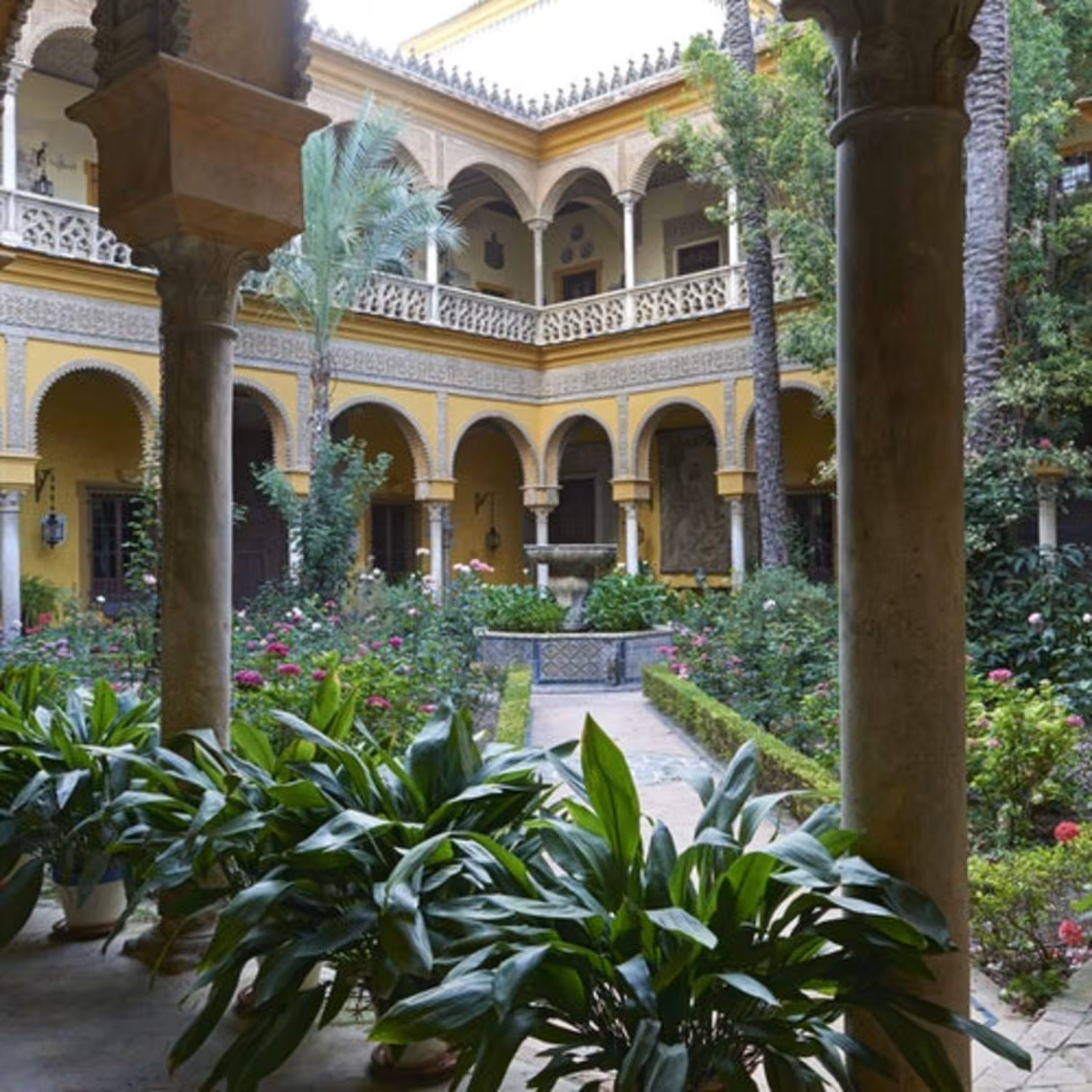
Explore One of Seville’s Most Historic Palaces
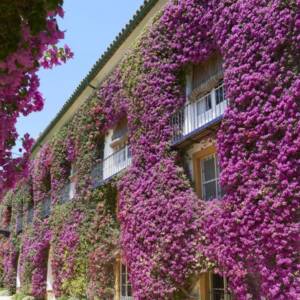
Palacio de Las Dueñas is a landmark residence that reflects centuries of Seville’s aristocratic and artistic heritage. Still owned by the House of Alba, the palace opens its courtyards, gardens, and historic interiors to the public, offering an insightful look at Andalusian architecture and noble life.
About Palacio de Las Dueñas
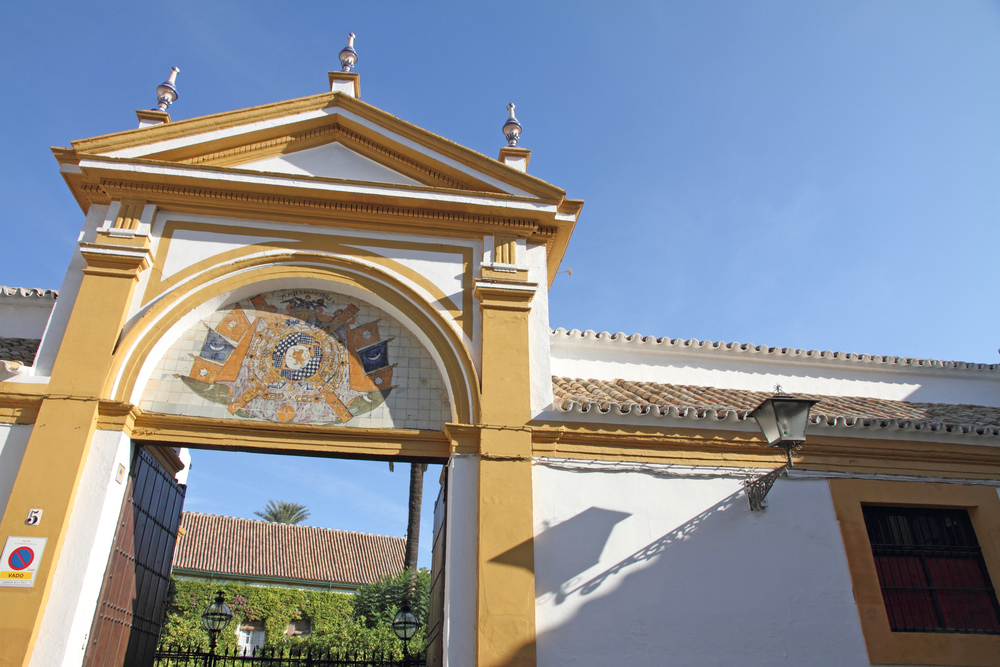
Palacio de Las Dueñas is a historic palace in Seville with origins dating back to the late 15th and early 16th centuries. Over time, it evolved into one of the city’s most important noble residences and has long been associated with the House of Alba, one of Spain’s most prominent aristocratic families. The palace takes its name from the former Monastery of Santa María de las Dueñas, which once stood nearby.
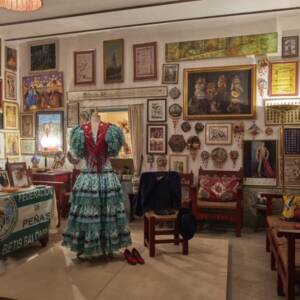
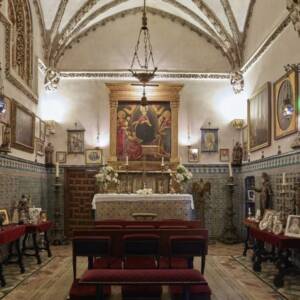
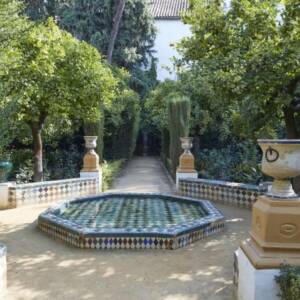
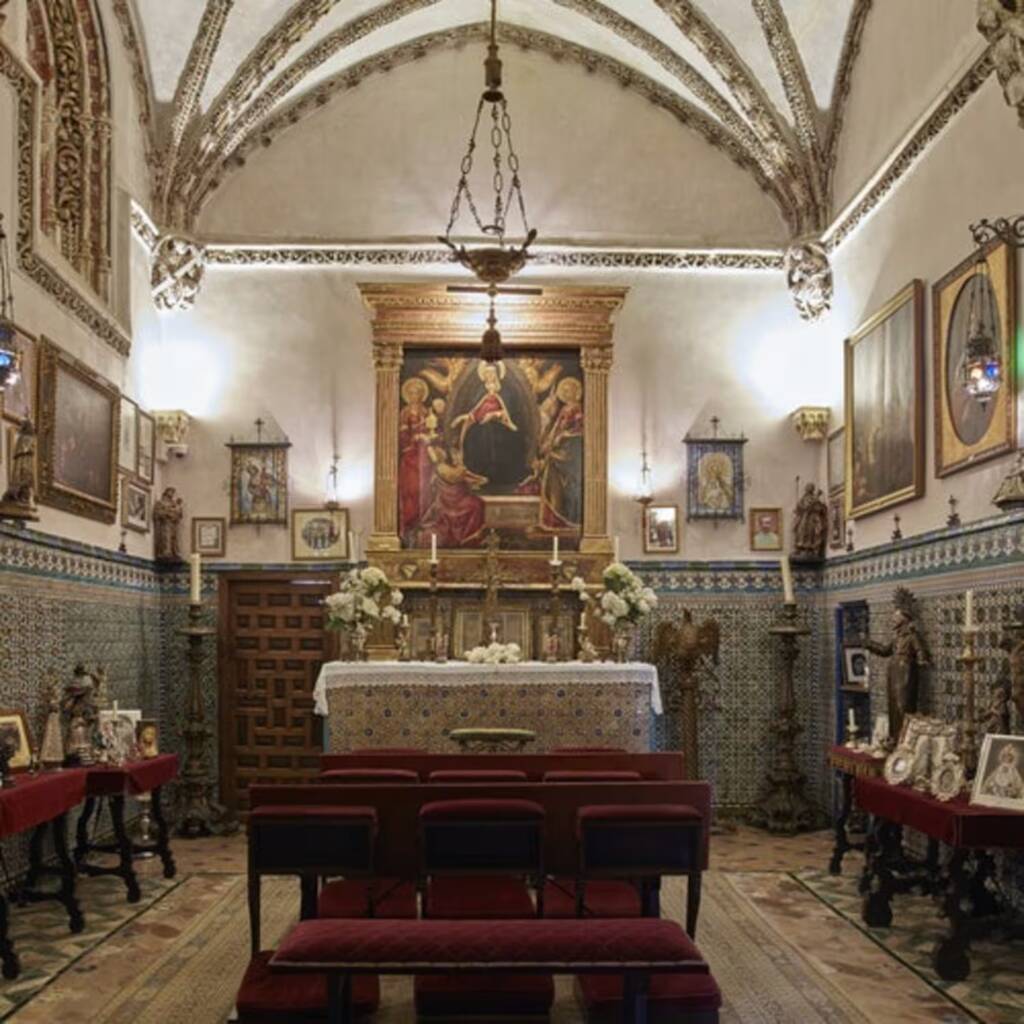
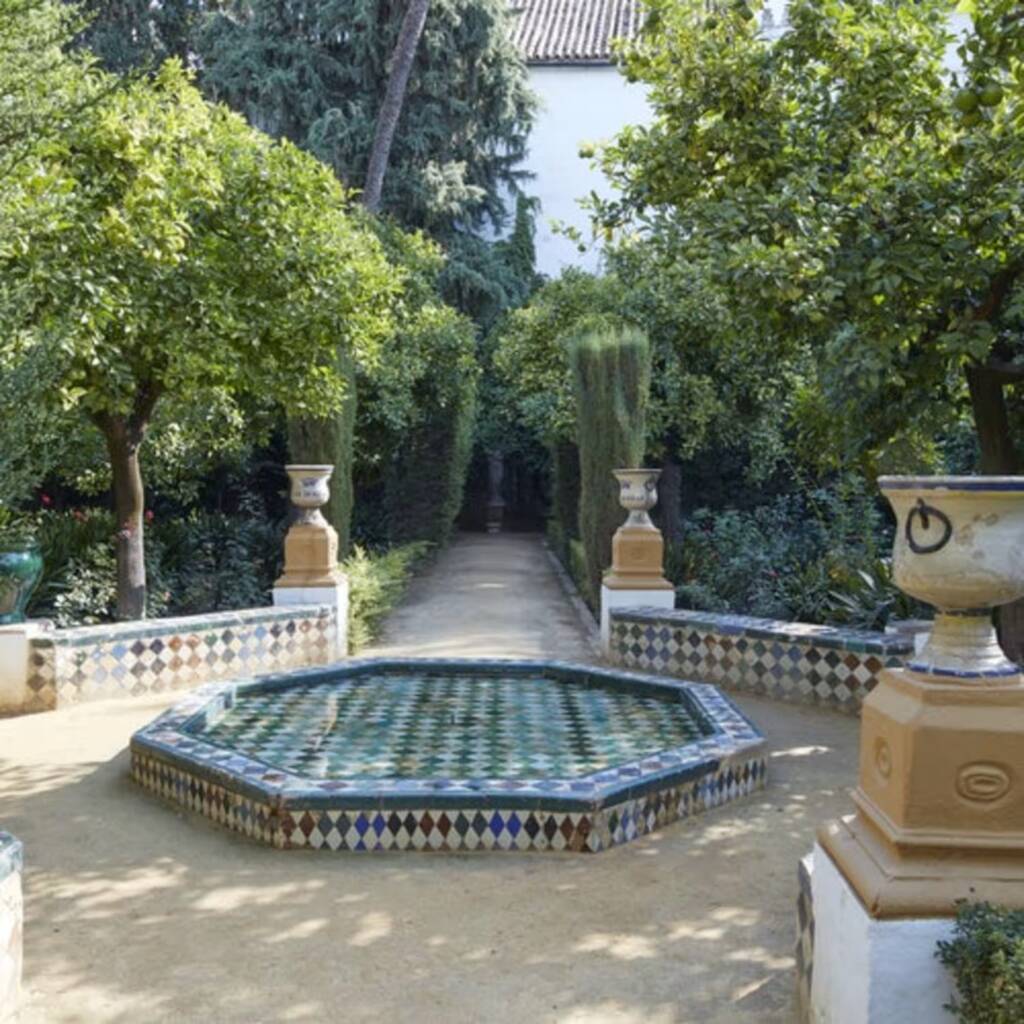
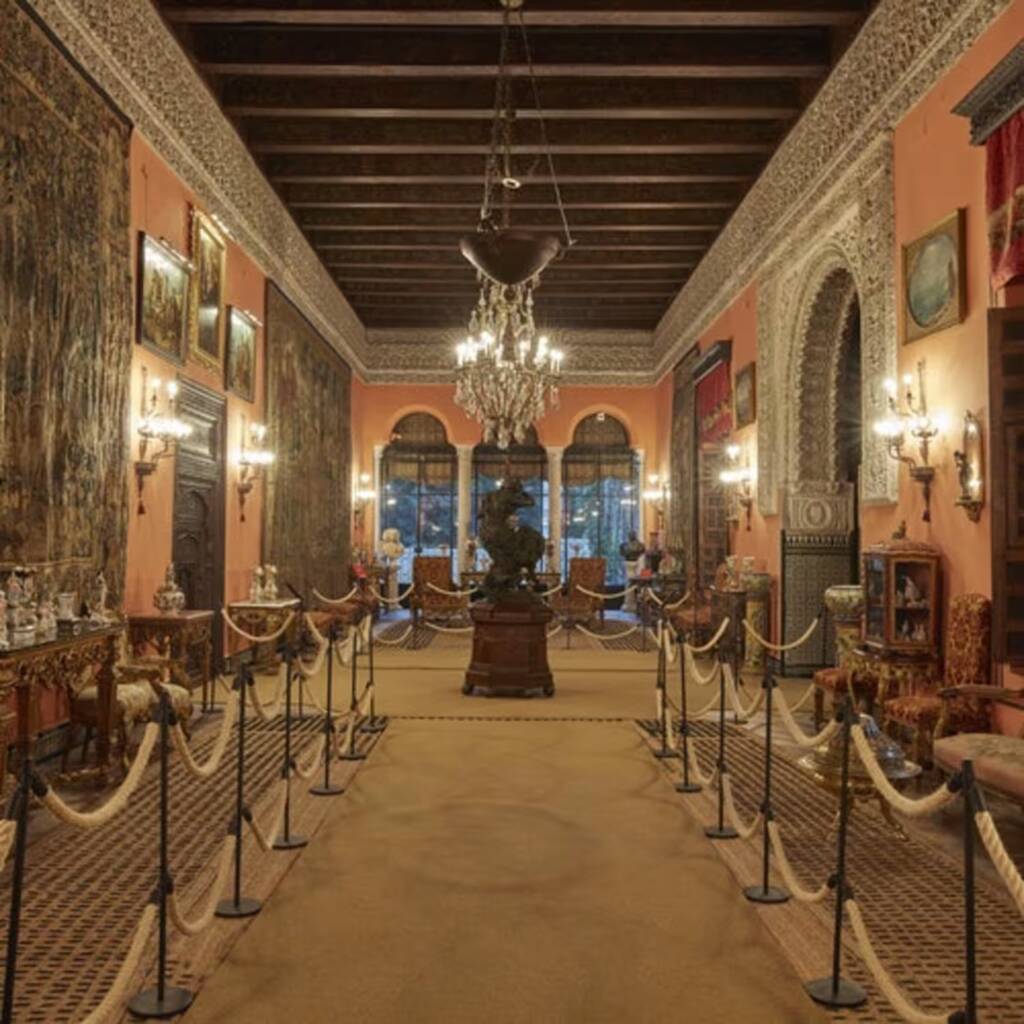
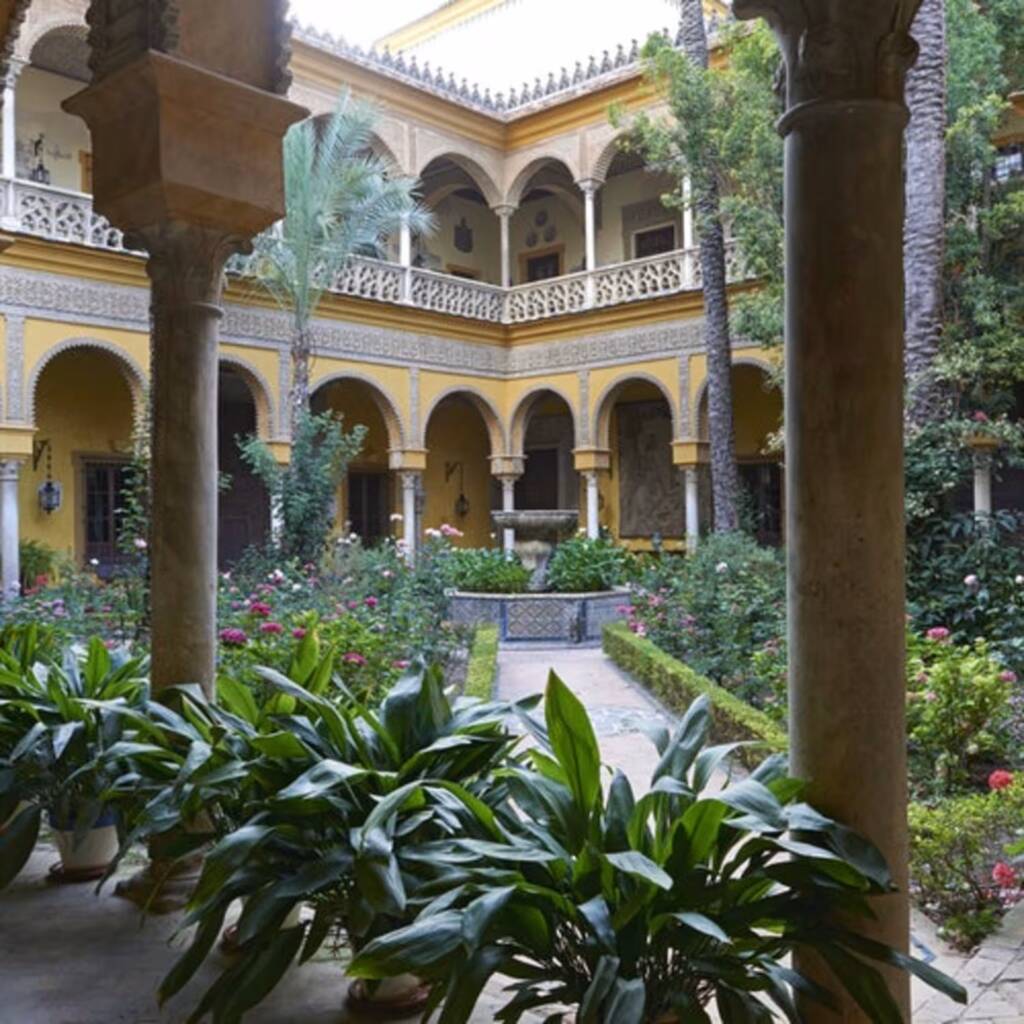
Architecturally, Palacio de Las Dueñas reflects a blend of Gothic, Mudéjar, and Renaissance styles, shaped by successive renovations over the centuries. Visitors can explore a series of interconnected courtyards, elegant gardens, and richly decorated rooms that house tapestries, sculptures, period furniture, and personal objects linked to the palace’s history. The site is also closely connected to Spanish cultural life, having been the birthplace of poet Antonio Machado and a frequent residence of the Duchess of Alba.
Today, Palacio de Las Dueñas is open to the public, offering a quieter and more intimate alternative to Seville’s larger monuments. Its manageable scale, artistic collections, and peaceful outdoor spaces make it a rewarding visit for those interested in history, architecture, and Andalusian heritage.
Why Visit Palacio de Las Dueñas
A living historic residence: Discover a palace still owned by the House of Alba, offering an authentic insight into centuries of aristocratic life in Seville.
Distinctive Andalusian architecture: Explore a refined blend of Gothic, Mudéjar, and Renaissance styles across courtyards, gardens, and historic interiors.
Strong cultural connections: Visit the birthplace of poet Antonio Machado and a site closely linked to Spain’s literary and artistic heritage.
Art and period collections: See tapestries, sculptures, decorative arts, and furnishings displayed within their original palace setting.
Peaceful gardens and patios: Enjoy quiet outdoor spaces that provide a welcome pause from the city’s busiest attractions.
An intimate visitor experience: The palace’s manageable size allows for a relaxed, self-guided visit at your own pace.
When to Plan Your Visit
Palacio de Las Dueñas welcomes visitors daily.
Typical opening hours are from 10:00 am to 8:00 pm.
The last admission is usually 30 minutes before closing. Opening times may vary slightly depending on the season or public holidays.
To make the most of your visit:
–Visit early in the morning: Quieter atmosphere and cooler temperatures, especially in summer
–Late afternoon visits: Softer natural light in the courtyards and gardens
–Weekdays over weekends: Generally less crowded and more relaxed
–Spring and autumn: Comfortable weather and ideal conditions for exploring outdoor spaces
Booking tickets in advance helps secure your preferred time slot and ensures a smoother visit.
Finding Your Way to the Palace
Palacio de Las Dueñas is located in Seville’s historic centre, within easy reach of many major landmarks.
Address:
Calle Dueñas, 5, 41003 Seville, Spain
Plan Your Route
- On Foot
- By Bus
- By Taxi or Ride-Hailing
- By Car
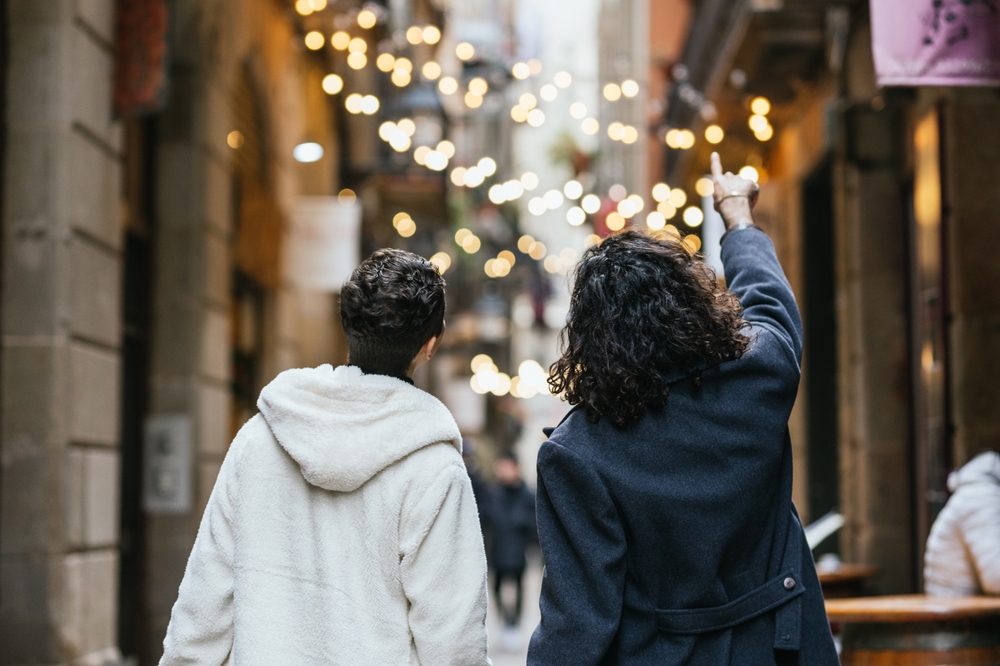
Walking is often the most pleasant and practical option, especially if you’re staying in the old town. The palace is close to Plaza de la Encarnación (Metropol Parasol) and within easy reach of shopping streets, cafés, and other historic sites. Clear signage and flat streets make the walk straightforward.

Seville’s local bus network offers reliable connections from different parts of the city. Several lines stop near Plaza de la Encarnación and Calle Feria, both just a short walk from the palace entrance. Buses are a good option if you’re coming from areas outside the historic centre.

Taxis and ride-hailing services provide a direct and comfortable way to reach the palace, particularly from Santa Justa train station or neighbourhoods like Triana. Vehicles can usually drop passengers nearby, though final access may require a short walk due to traffic restrictions.

Driving into the historic centre is generally discouraged. Streets around the palace have limited vehicle access and parking is scarce. If you arrive by car, consider using a public car park outside the old town and continuing on foot or by bus.
Dining Options

No on-site restaurant or café: Palacio de Las Dueñas does not currently have a permanent dining space inside the palace.
Nearby cafés and restaurants: The surrounding neighbourhood offers a wide selection of cafés, traditional tapas bars, and restaurants, all within a short walking distance.
Ideal before or after your visit: Many visitors choose to plan a meal around their palace visit, making it easy to combine culture and local cuisine without detours.
Accessibility Information

Step-free access in key areas: The ground-floor courtyards, gardens, and main visitor routes are generally accessible.
Wheelchair access: Most public areas can be visited with a wheelchair, though some historic rooms may have limited access due to architectural preservation.
Rest areas: Benches are available in outdoor spaces, allowing visitors to pause during their visit.
Historic building limitations: As a protected heritage site, full access to all upper floors may not be possible.
Know Before You Go
Ticket entry: Admission is ticketed, and booking in advance is recommended to secure your preferred visit time, especially during peak seasons.
Self-guided visits: Visits are generally self-paced, allowing you to explore the courtyards, gardens, and interiors at your own rhythm.
Time needed: Most visitors spend around 60 to 90 minutes exploring the palace and its outdoor spaces.
Photography: Photography is usually permitted for personal use, though flash and tripods may be restricted in certain areas.
Historic interiors: Some rooms and upper-floor areas may have limited access due to preservation requirements.
Weather considerations: Much of the visit includes open-air patios and gardens, so comfortable footwear and sun protection are advised in warmer months.
Accessibility limits: While many areas are accessible, the palace is a historic site and full step-free access cannot be guaranteed throughout.
Respectful behaviour: As a protected heritage residence, visitors are asked to follow on-site guidelines to help preserve the palace.
 English
  Español
  Italiano
  Français
  Português
  Deutsch